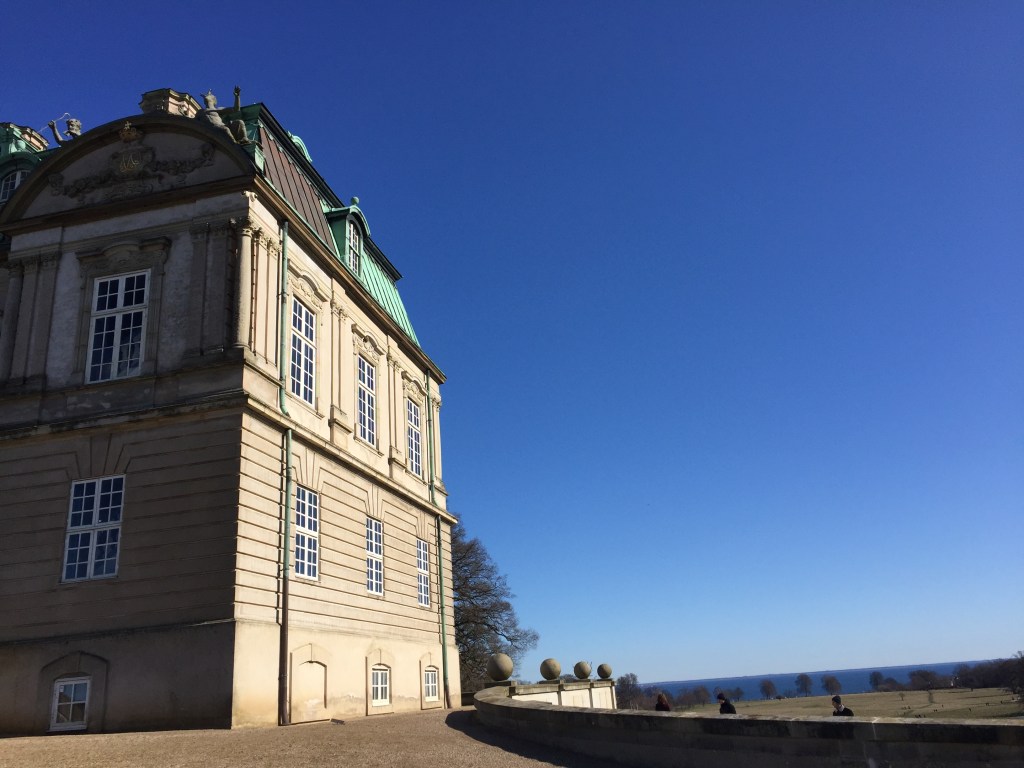
“There is no going back. Time moves on, we change, countries change, spaces change. I am a multi-local afropolitan”
Karen Blixen is omnipresent in my career, and my knowledge and insight in her work and life is comprehensive.
Karen Blixen (Isak Dinesen), 1885-1962 is the one writer to set the stage for the questions of today relating to the global community:
identity, belonging, travel, “the world as a stage”, language, history, story-telling, courage of life. She is constantly referring to the great masters of our common civilization such as Shakespeare, Victor Hugo and Kierkegaard. I have always found her approach to life fascinating and her oeuvre overwhelming.
I started out as a guide in the newly opened Karen Blixen Museum in 1991 as a young person, pursued my career in contemporary art and cultural exchange within the Danish Contemporary Art Foundation and the Danish Arts Agency until I came back from 2009 to 2019 as director of the Karen Blixen Museum. The space and its ideas have certainly formed my outlook of the world and were able to meet and challenge me.
These topics have been in my career and life for decades, and it is always a great pleasure to present Blixen and the great topics of her life to an audience.
I do this in Danish, English and French as well as in the Scandinavian languages.
Indeed, to be able to meet the global audience of today, you need to merge your institution’s profile, and you need a sustainable strategy.
I have always been very much involved in inclusion of all audiences as well as being welcoming to all diversities of groups. Language I find is very important in this respect. Meeting your audience in a well thought-of language as well as in many different languages has been a key to welcoming the global audience. Engaging in discussions about these themes has also been crucial and in my present practice, I want to embrace these qualities and values.
In the 1990s, the global discussion was about center and periphery, and now, it is put in another way, being local symbolizes a belonging to a real space. As the writer Taiye Selasi puts it: “There is no going back. Time moves on, we change, countries change, spaces change. I am a multi-local afropolitan”. The multi-local citizen of the world is the person, whom we have to meet. People come with the experience where-am-I-from? and where-am-I-a-local or who-am-I? It is defined by them as individuals, and in that respect this also blends into the tendency of a highly individualized audience aware of its own experience and scope. The world is rapidly changing, and the local becomes the global with time. As museum professionals and curators, we have to meet this reality.
 Catherine Lefebvre